Small Vacuum Cleaners for Apartments: How to Choose One
For most apartments, a small vacuum means a cordless stick, a compact canister or a robot vacuum. Pick by floor type, storage space and how much you can live with emptying and charging, then compare specific models by weight, bin size and runtime.
Data last updated:
Compared by verified specification — see how we compare.
7 vacuums match
- Best For: Small Apartments
7 vacuums match
- Best For: Small Apartments
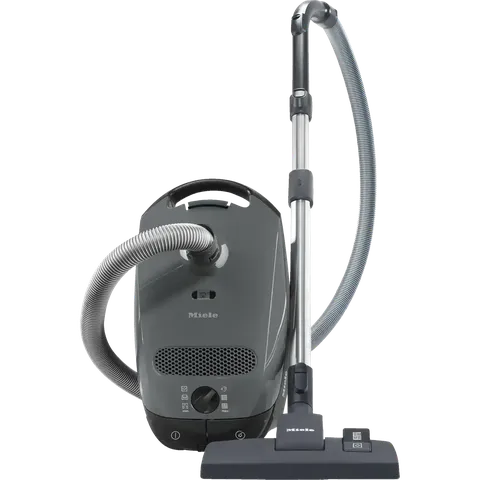
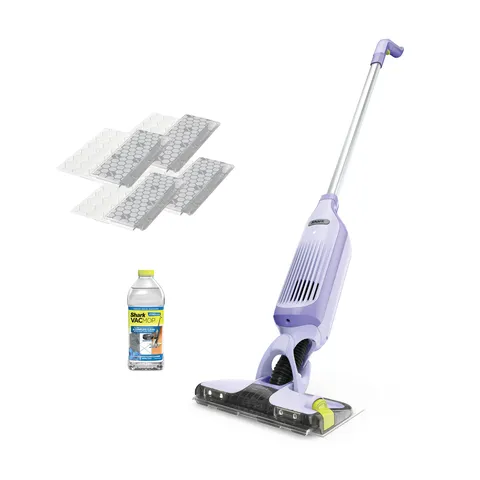
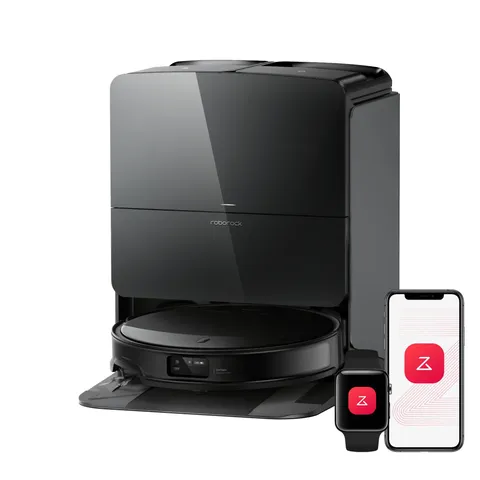
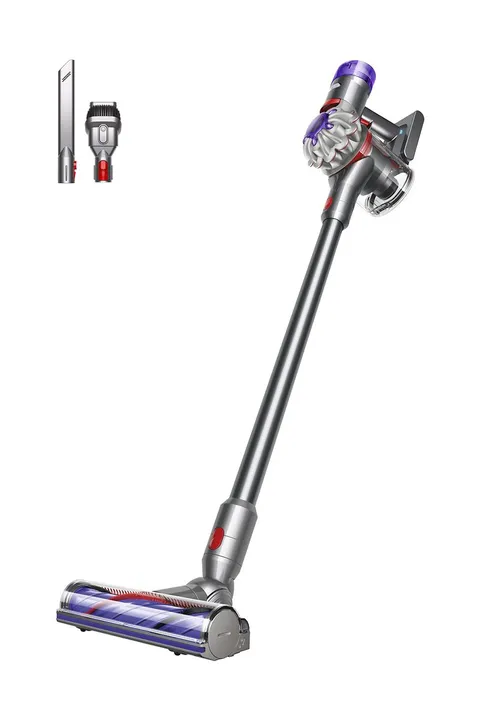
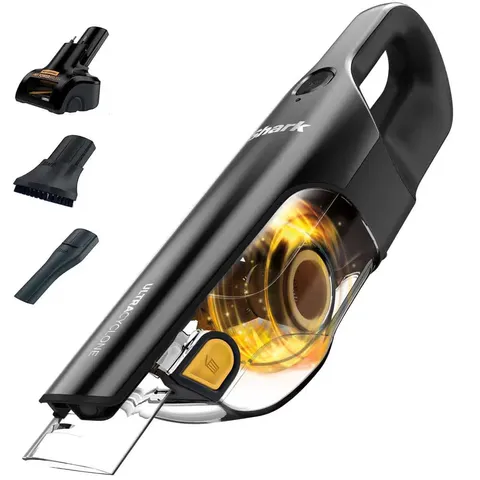
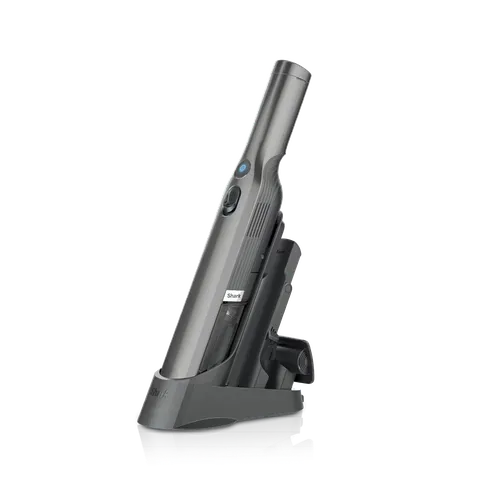
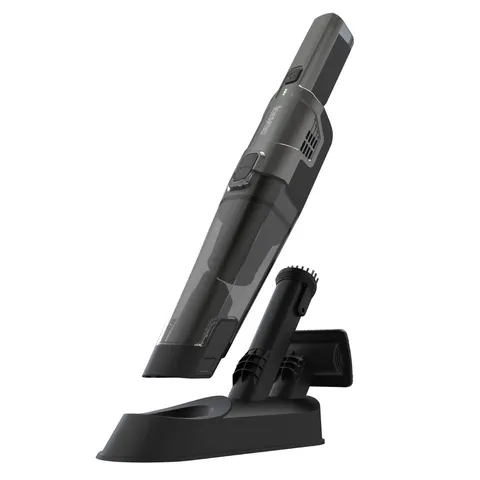
★ ratings are average shopper ratings from online retailer listings.
If you live in an apartment, a small vacuum usually means one of four things: a cordless stick, a compact canister, a robot vacuum, or a handheld for quick pickups. No single type wins for everyone. The right one depends on your floors, where it will be stored, and how much emptying, charging and cord-wrangling you will tolerate.
Which kinds of small vacuum cleaners suit an apartment?
Here is how the main types compare for a small space. These are general trade-offs, not test results.
| Type | Suits you if | Watch out for |
|---|---|---|
| Cordless stick | You want grab-and-go cleaning and a slim closet footprint | Limited runtime per charge; small dust bins fill quickly; battery wears over time |
| Compact canister | You have a mix of floors and stairs, and don't mind a hose and a body to pull along | Needs more storage floor space than a stick; cord limits reach |
| Robot vacuum | You want routine upkeep on mostly open floors | Can snag on cords and small objects; won't do stairs, upholstery or corners as well as a hand-held tool |
| Handheld | You need a supplement for crumbs, a car, or stairs | Not a substitute for a floor vacuum |
If you prefer a conventional machine, an upright vacuum cleaner can still work in an apartment, but most are bulkier to store than the options above. For a wider look at the different vacuum types, including wet/dry shop vacs, see our type overview.
Matching a small vacuum to your floors
Floors decide more than footprint does.
- Mostly hardwood, tile or vinyl: A light stick or a robot vacuum handles daily dust well. Look for a soft roller or a hard-floor setting so the brush does not scatter debris.
- Wall-to-wall carpet or area rugs: Prioritize models that list a motorized brush roll and adjustable suction. Many small, light cordless units cover rugs adequately but may struggle with thick carpet, so check specifications and owner feedback rather than assuming.
- A mix of both: A canister with a floor-type switch, or a stick with a brush roll you can turn off, is a practical middle ground.
- Pets that shed: Hair wraps around brush rolls and fills small bins fast, so bin size and tangle-resistant design matter more. Our page on the pet-friendly vacuums goes deeper.
If your goal is deep cleaning and stain removal on carpet rather than daily pickup, a carpet extractor is a different tool from a vacuum.
Dorm rooms and condos
Dorm rooms are mostly about rules and space. Housing policies vary by school, so check what appliances your residence hall allows before buying. A lightweight cordless stick or a small handheld that fits under a bed or in a closet is the usual fit, and a cord-free unit avoids hunting for a free outlet.
Condos are similar to apartments, with one extra consideration: shared walls and neighbors. If noise matters to you, check whether a model lists a decibel rating, and treat it as a comparison point between listed models rather than a promise of quiet.
Cleaning the sofa: renting a machine instead of buying
A sofa is the one job most small vacuums cannot do, and it rarely justifies owning a full-size cleaner in a small home. Renting is the common alternative. Rug Doctor, for example, says its machines are available to rent at thousands of locations in the US and Canada, with 24-hour and 48-hour rental options (the 48-hour option is not available at every location). Its upholstery tool is sold as an add-on to a carpet cleaner rental.
Before you clean any upholstered piece:
- Read the cleaning code on the tag. Per Rug Doctor's couch guide, W means water-based cleaning is okay, S means mild water-free solvents only, S/W means both are okay, and X means vacuum or light brushing only, with no water or cleaning agents. Its machine steps are written for W or W/S fabrics.
- Vacuum the sofa first to lift loose soil, with extra attention to seams and crevices. A handheld or the upholstery tool on your regular vacuum works well here.
- Test a hidden spot for colorfastness and let it dry fully before treating the whole surface.
- Check removable covers separately. Cushion covers have their own tag.
If the tag is missing or unclear, contact the furniture maker before using water.
What to check on a model page
When you open a model from our catalog, these specs matter most in a small space:
- Weight and dimensions, including how it stores (wall dock, closet, upright stand).
- Dust bin capacity, because a tiny bin means more trips to the trash.
- Runtime and charge time, for cordless and robot models. Compare the figure for the setting you will actually use, not just the lowest-power mode.
- Attachments, such as a crevice tool and upholstery brush, which can replace a second handheld.
- Filter and brush maintenance, including whether parts are washable or replaceable.
A few honest limits: specs can't tell you how a vacuum feels to push or how loud it is in your room. Smaller machines also trade capacity for convenience, so a larger home or heavy shedding may be better served by something bigger. If you want a broader starting point, our pick of the best cleaning vacuum overall is on the homepage. And if the car is the real mess, see our guide to the best car vacuum.
Is a robot vacuum enough for a small apartment?
A robot vacuum can handle routine upkeep on open floors, but it is rarely enough on its own. Robots generally can't clean stairs, sofas or tight corners as well as a hand-held tool, and they can get caught on cords or small objects. Many apartment dwellers pair a robot with a small handheld or stick vacuum for crumbs, upholstery and spot cleanup. If your floors are mostly hard surfaces with few obstacles, a robot covers more of the work; with thick rugs, lots of clutter or pets that shed heavily, plan on a second tool. Check the specifications on each model page for bin size, runtime and the kinds of flooring it supports.
Should I buy a stick vacuum or a compact canister for an apartment?
A stick vacuum suits quick, frequent cleaning and tight storage, while a compact canister suits homes with stairs, mixed floors or a preference for a plugged-in machine that doesn't run out of battery. Sticks are lighter to carry but have limited runtime and small bins. Canisters usually keep going as long as you need but take more floor space and trail a hose and body behind you. If you clean in short bursts and have a closet, start with sticks; if you clean in one long session a week, canisters are worth comparing. Both types are listed on our model pages with their weight and dimensions.