Vacuum Cleaner Guides
Our vacuum cleaner guides help US shoppers pick a vacuum type, read spec sheets, look after the machine they own and then compare specific models. Start with the type that matches your floors and home.
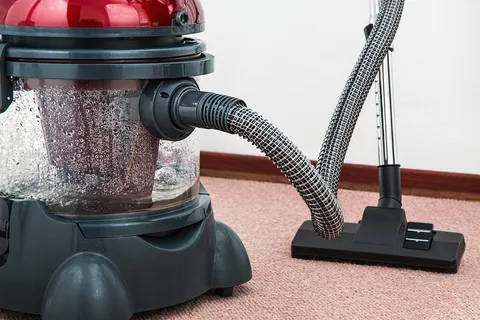
Best Vacuum Suction: Air Watts, Pa and Water Lift
Learn what air watts, Pa, kPa and water lift mean, why suction alone doesn't predict cleaning, and how to compare vacuum suction ratings fairly.
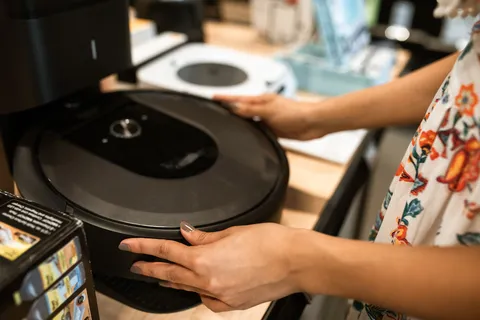
How to Choose a Vacuum Cleaner: A US Buyer's Guide
How to choose a vacuum cleaner: match the type to your floors, pets and home size, then compare filtration, bin size, battery and upkeep before you buy.
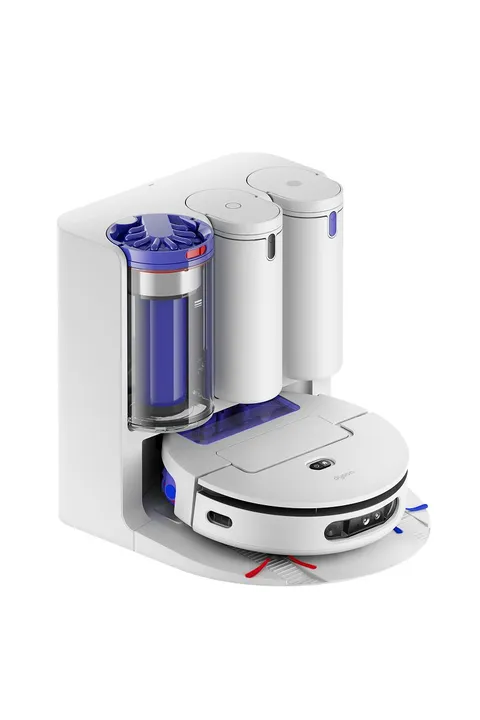
Shark vs Dyson: Differences in Specs and Fit
Shark vs Dyson compared by catalog specs: cordless runtime, weight, bin size, HEPA, robots and warranty terms, plus who each brand suits.
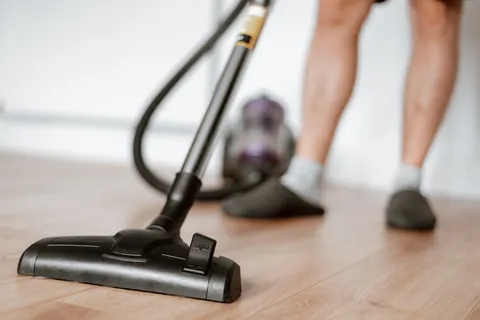
Vacuum Cleaner Specs Explained: A Plain Glossary
Vacuum cleaner specs explained in plain terms: suction units, decibels, HEPA labels, battery runtime, bin capacity, weight and brush rolls, with what to compare.
Choosing a vacuum is mostly a matching exercise: your floors, your home size, your pets and your tolerance for lugging a machine around. These vacuum cleaner guides are organized around those decisions, so you can find the right starting point and then move on to comparing actual models.
How our vacuum cleaner guides are organized
The site covers upright, canister, stick/cordless, robot, handheld and wet-dry (shop) vacuums, plus carpet cleaners. Our 4 guides fall into three groups: buying guides that help you pick a type and read a spec sheet, best-of lists for a specific need, and care or troubleshooting advice for a machine you already own.
One thing to know up front: the guides and model pages are built from manufacturer and retailer specifications, not from our own hands-on testing. That makes them good for narrowing down options and comparing numbers, but they cannot tell you how a machine feels to push or how loud it is in your living room. Where specs leave a gap, we say so.
Which type of vacuum fits your home?
Start with your floors and living space, then your tolerance for upkeep.
| If this describes you | Type to look at first | Typical trade-off |
|---|---|---|
| Mostly hard floors, small or mid-size space, want quick cleanups | Stick/cordless | Battery runtime and bin size limit how much you can do per charge |
| Wall-to-wall carpet, a larger home, want to avoid battery limits | Upright or corded | Heavier and less convenient on stairs |
| Want daily upkeep with little effort | Robot vacuum | Handles routine debris, but not stairs or detailed corners |
| Mixed floors and lots of furniture or stairs | Canister | Two-part body to move around |
| Garage, workshop, spills of liquid | Wet-dry (shop) vac | Bulky and not meant as a daily household vacuum |
| Deep stains on carpet or upholstery | Carpet cleaner | A separate job from everyday vacuuming |
These are general rules of thumb rather than test results, so treat them as a way to shortlist, not a final answer.
If you like the idea of a stick design, our Dyson cordless vacuum page is a good place to see how one brand's lineup is specified. For hands-off cleaning, the robotic floor cleaners category lists models by spec, and the robot vacuum and mop page narrows that to combination machines. When the problem is a stained rug rather than loose dirt, a rug and carpet washer is the right tool category instead.
Buying guides and how-tos
A good buying decision comes down to a short list of questions, and the specs on each model page are there to answer them:
- What surfaces do you clean most? Carpet, hardwood, tile or a mix decides whether you need adjustable suction or a soft roller head.
- How much space? For cordless and robot models, compare stated runtime against the square footage you need to cover.
- Who lives with you? Pets mean more hair and more emptying, so look at bin size and brush design.
- How will you store and carry it? Check the listed weight and whether the model hangs on a wall dock or needs floor space.
- What will upkeep cost? Look at whether filters, bags and batteries are replaceable and what the model uses.
Stated figures from different brands are not always measured the same way, so compare them as a rough guide. For a specific job, the car cleaning vacuum guide shows how we narrow a niche category. If you want the broader overview of which models we feature, the vacuum cleaner roundup page on the homepage is the main entry point.
Maintenance and troubleshooting
Most vacuum problems, such as weak suction, a brush that won't spin or a machine that cuts out, trace back to a short list of causes. Work through them in order, from cheapest to check to most involved:
- Empty the bin or replace the bag if it is full.
- Look for clogs in the hose, wand and the opening at the floor head.
- Remove hair and thread wrapped around the brush roll.
- Clean or replace filters according to your model's manual.
- For cordless and robot models, check that the battery is charged and the contacts are clean.
Your owner's manual is the authority on how often to clean or replace each part and which parts can be washed, so follow it over general advice. If a machine still fails after these checks, contact the manufacturer about service rather than opening the motor housing yourself.
From guide to shortlist
Once you know the type you want, choose two or three models and compare them on the specs that matter for your home. The category pages above are the quickest route to model pages, where you can see verified specifications side by side and check current retailer offers.
Do these guides come from hands-on testing?
No. The guides and model pages are based on manufacturer and retailer specifications, not on our own hands-on testing. That makes them useful for comparing numbers such as weight, bin size and stated battery runtime across models, but they cannot tell you how a vacuum feels to use, how loud it is or how well it cleans in your home. Our 4 guides say so where specs leave a gap. For real-world performance, read independent lab or user reviews from sources such as Consumer Reports or RTINGS alongside the specs on our model pages.
Should I buy a robot vacuum instead of a regular vacuum?
It depends on what you want it to do. A robot vacuum suits daily upkeep of floors with little effort, but it generally does not replace a full-size vacuum for stairs, upholstery or detailed corners. Many households use a robot for routine pickup and a stick or upright for the rest. Compare stated runtime, bin size and whether the model also mops before deciding, and keep in mind that spec sheets will not show how well a robot navigates your particular layout.