Top Vacuum Comparisons
Our top vacuum comparisons put two models side by side on manufacturer and retailer specifications. Use them to narrow a shortlist, then open the model pages for full details.
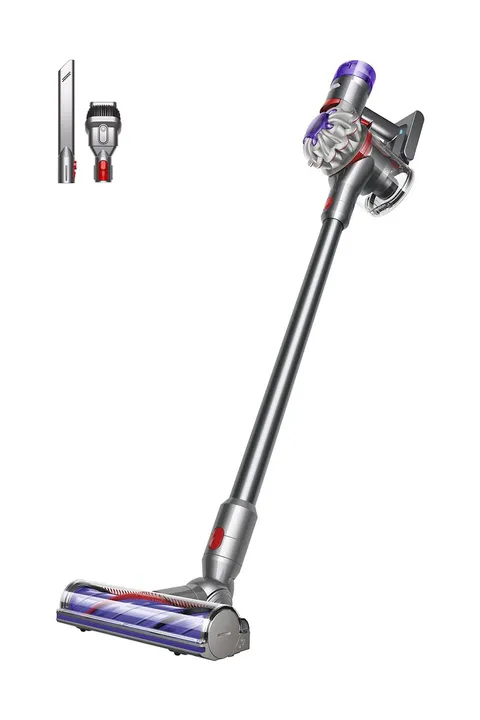
V8
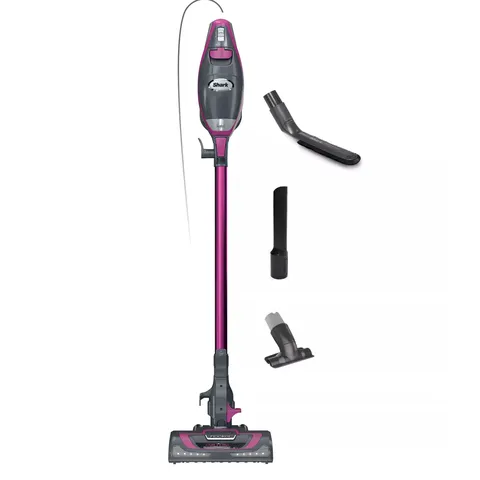
Rocket Pro Corded Stick Vacuum
Dyson V8 vs Shark Rocket Pro: Specs Compared
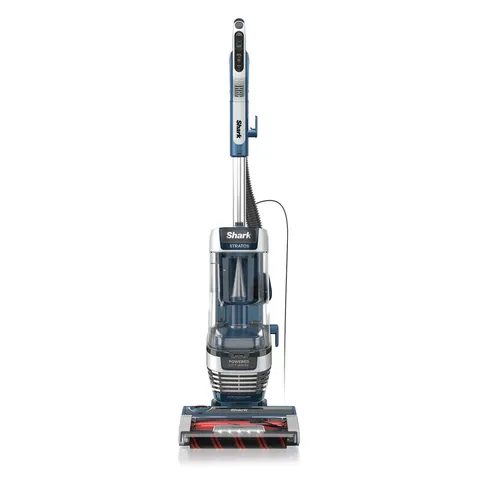
Stratos Upright Vacuum
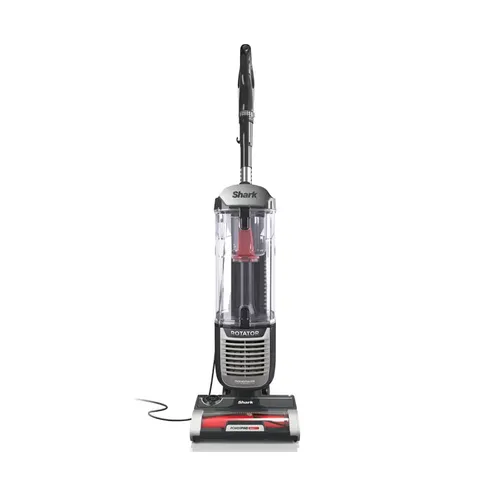
Rotator Pet Upright
Shark Stratos Versus Shark Rotator Pet Compared
Dyson
Shark
Shark vs Dyson: Differences in Specs and Fit
Choosing between two vacuums usually comes down to a handful of differences: how long the battery lasts, how heavy the machine is, what the dust bin holds, and what the filter setup looks like. Our top vacuum comparisons line two models up on those points so you can see the trade-offs without opening a dozen tabs. There are currently 3 head-to-head comparisons on the site, and each one links to both model pages.
What a head-to-head vacuum comparison tells you
Every comparison here is built from manufacturer and retailer specifications. We have not tested these machines ourselves, so a comparison will not tell you which one feels better in the hand or picks up more dirt from your particular rug. What it does show clearly is where the paper specs differ: weight, runtime figures, bin capacity, included attachments, and so on.
That is still a useful filter. If one model is several pounds heavier and you plan to carry it up stairs, or one lists a much shorter runtime and your home is large, the table makes that visible in seconds.
How to use top vacuum comparisons
Start from the decision you are really making, not the brand name.
- Pick the type first. A cordless stick, a robot, an upright and a canister solve different problems. Compare within a type before comparing across types.
- Write down your two or three deal-breakers. Pet hair, hardwood floors, a small apartment, and stairs each push different specs to the top.
- Open the comparison for the two models you are weighing and look at the rows that match your deal-breakers before reading the rest.
- Check units. Manufacturers do not always quote suction or runtime the same way, so treat a number as comparable only when both models state it in the same unit and mode.
- Open both model pages for the full spec list and any drawbacks we flag, then check current offers.
If you have no shortlist yet, our vacuum cleaner roundup overview is a better starting point than a comparison, because a comparison assumes you already have two candidates.
Matchups by vacuum type
Cordless sticks. This is where most head-to-head searches happen. The differences that tend to matter are runtime, whether the battery is removable, weight, and bin size. If you are weighing premium brands, start with the Dyson cordless stick lineup and the Shark cordless range range, then pick the two models closest to your budget and compare them directly.
Robot vacuums. Robot comparisons hinge on different things: navigation approach, whether there is a self-emptying base, mop features, and app controls. Bin size and runtime matter less than how the robot handles your layout, which specs can only partly answer.
Uprights, canisters and others. For bigger homes with a lot of carpet, uprights and canisters are still common choices. Compare weight, cord length, bin capacity, and filter type, and read the drawbacks section on each model page.
Brand matchups shoppers ask about
Searches like Dyson vs Shark vs Bissell or Dyson vs Shark vs Roomba are really three or four product lines at once, and each brand sells several types of vacuum at several price points. A brand-level answer is rarely useful. The practical approach is to choose a type, pick one model per brand at a similar price, and compare those specific models.
To see everything a brand offers on this site, browse the Dyson brand and Shark hubs, then return to the comparisons for the models you shortlist. Roomba and Bissell models appear in the comparisons where both models are in our catalog.
Where a spec comparison stops being useful
Specs are a good way to rule models out and a weaker way to pick a winner. A few limits to keep in mind:
- Real-world cleaning performance depends on floor type, debris, and technique, and is not captured in a spec sheet.
- Noise, ergonomics and build quality are hard to read from numbers.
- Long-term costs such as replacement batteries and filters vary and are worth checking before you buy.
- Some figures come from non-US listings. Where a spec is uncertain, we say less rather than guess.
When two models look close on paper, let your deal-breakers decide, and check current offers on the model pages before you commit.
Are these vacuum comparisons based on hands-on testing?
No. Each comparison is built from manufacturer and retailer specifications, not from our own testing. With 3 head-to-head comparisons published, the value is in seeing where two models differ on paper: weight, runtime, bin capacity, attachments and filtration. It will not tell you how a vacuum performs on your carpet or how loud it feels in daily use. Treat a comparison as a way to narrow a shortlist, then read the drawbacks on each model page and check independent test results or return policies before you buy.
Can I compare more than two vacuums at once?
Our comparisons are head-to-head, meaning two models at a time. If you are choosing among three or four, pick your two or three deal-breakers, such as weight, runtime or bin size, and compare the closest pair first. Then compare the winner of that pairing against the next candidate. Across the 3 comparisons we publish, this pairwise approach keeps the differences easy to read and avoids a long table where the rows that matter to you get lost.
Why is the model I want not in a comparison?
A comparison only exists when both models are in our catalog and the comparison has been published, and publishing happens in stages. Our catalog currently holds 12 models across 7 brands, so many pairings are still to come. If your model has its own page, open it to see its full specs and nearby alternatives. You can also open the model pages for two candidates and compare the spec lists side by side yourself.