Best Vacuum for Hardwood Floors: How to Choose
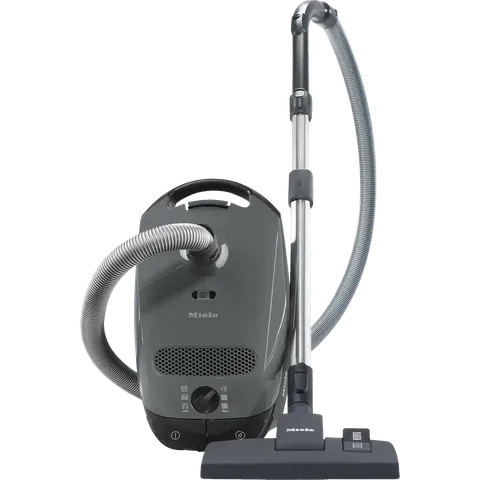
The best vacuum for hardwood floors lets you switch the brush roll off or uses a soft roller, and keeps debris from scattering. Canisters are often the safest fit; a stick can be enough in smaller, hardwood-only homes.
Data last updated:
Compared by verified specification — see how we compare.
10 vacuums match
- Surface Compatibility: Hard Floor
10 vacuums match
- Surface Compatibility: Hard Floor
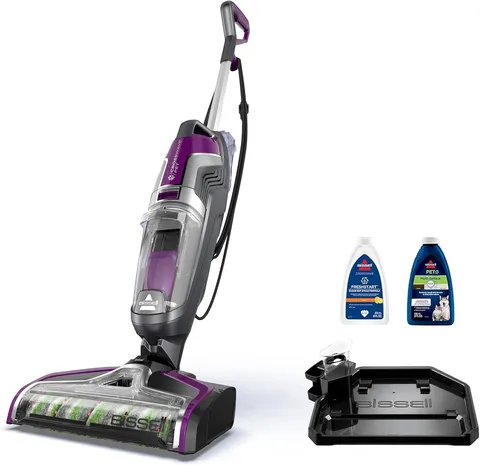
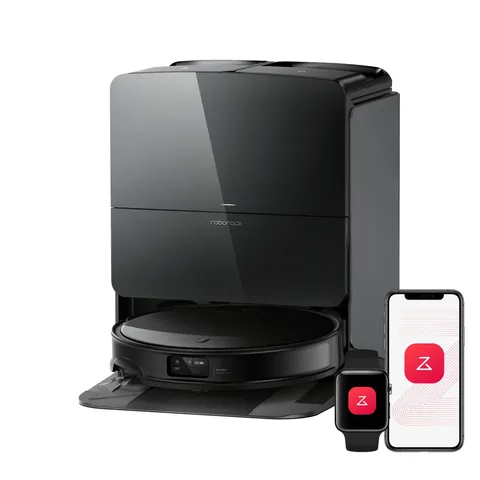
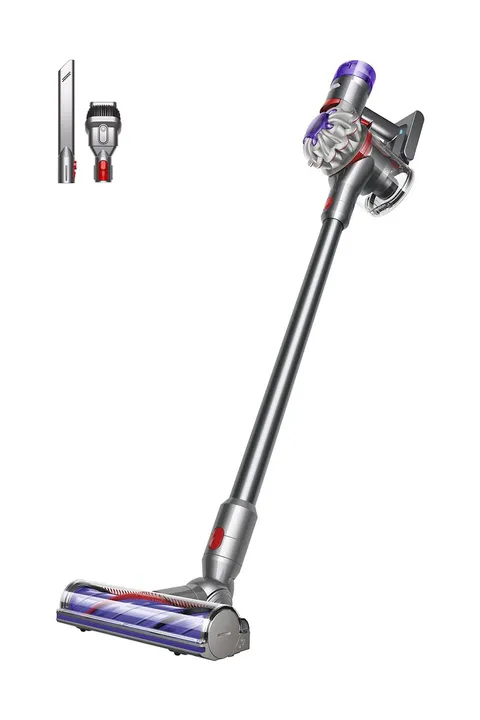
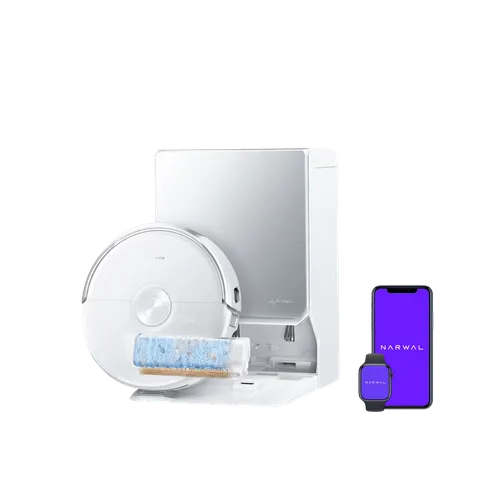
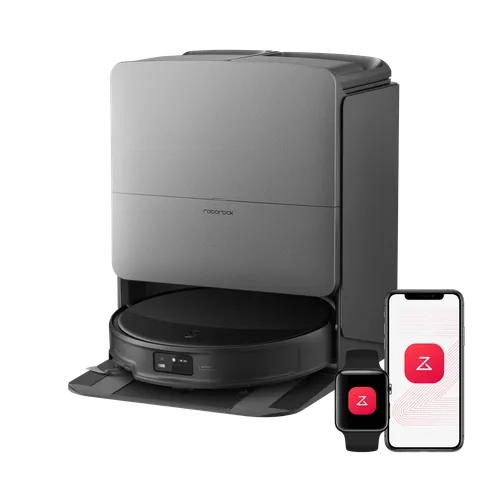
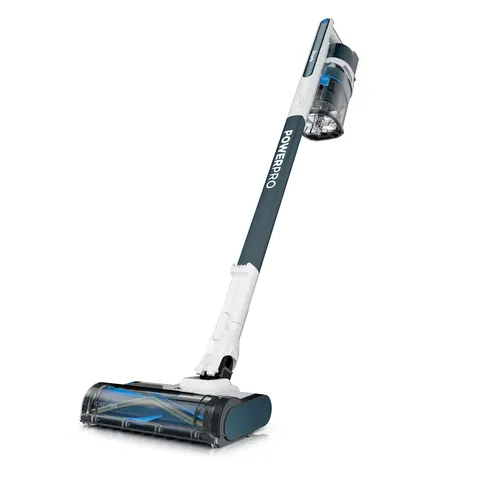
★ ratings are average shopper ratings from online retailer listings.
The best vacuum for hardwood floors is one that picks up fine dust and larger debris without scattering it, and that lets you stop the brush from agitating the floor. In practice that means looking for a brush roll you can turn off, or a soft roller head, and then choosing a type that fits your home. This page walks through those choices so you can pick which models to compare next.
This guide is based on published guidance from established review organizations and on manufacturer specifications, not on our own hands-on testing.
What makes the best vacuum for hardwood floors?
Two features matter most on bare floors.
A brush roll you can switch off. Consumer Reports notes that a brush roll switch helps prevent debris from scattering on hardwood and other uncarpeted surfaces, and advises turning the brush roll off on bare floors and on for carpet. If a model has no off switch, check whether the brush head can be swapped or removed.
A soft roller option. Some stick vacuums pair a conventional brush roll with a soft roller designed to capture small particles. Consumer Reports describes this design on one corded stick model it reviewed. The soft roller is a head type to look for in the spec sheet, not a guarantee of results on your particular floor.
A third factor is containment. Consumer Reports tests how well vacuums pick up litter on bare floors versus scatter it around, and says canisters are less likely to disperse dust and debris on bare floors than other types. Pickup and scatter results vary by model, so treat type as a starting point, not a rule.
Which type fits hardwood: canister, stick, upright or robot?
| Type | Where it fits on hardwood | Main drawback |
|---|---|---|
| Canister | Recommended for bare floors by Consumer Reports; less likely to scatter debris | Bulkier to store and move around |
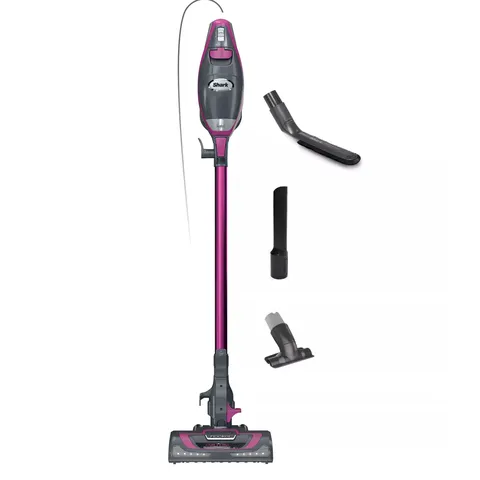
| Stick / cordless | May be enough if your home is mostly or entirely hardwood | Not good as a primary vacuum for a large space, per Consumer Reports |
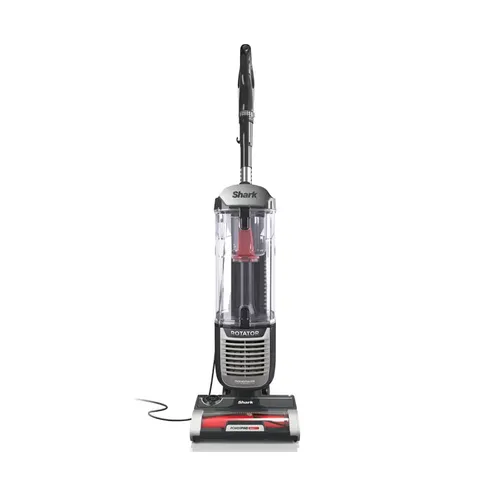
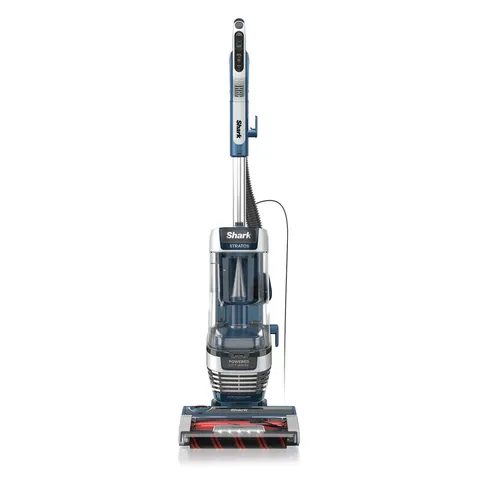
| Upright | Strong on carpet thanks to weight over the powerhead | Positioned as a carpet specialist, so check for a brush-off setting |
| Robot | Light, ongoing touch-ups | Cannot replace a full-size vacuum, and floors must be cleared of obstacles first |
If you are searching for a cordless vacuum for hardwood floors, a stick is the natural format for a small or hardwood-only home. Our Dyson cordless models page lists one brand's stick models with their specs. For a broader view of formats, see the vacuum types overview.
Hardwood plus rugs and carpet
Most homes mix surfaces, which is why "best vacuum for hardwood and carpet" is a common search. Two approaches work:
- One multi-surface machine. Look for a model where you can turn the brush roll off for hardwood and back on for rugs, or one with a soft roller plus a bristled roll.
- Two tools. Pair a light stick or canister for daily hardwood cleanup with a stronger upright or canister for carpet days. Consumer Reports suggests a more powerful upright or canister if a stick is not enough.
If your rugs are deep or heavily soiled, a separate carpet cleaner may be worth considering rather than expecting a hardwood-focused vacuum to do everything. Pet owners shedding onto both surfaces can also compare our best vacuum for pet hair picks, since hair handling and bare-floor behavior can differ.
Checklist before you open a model page
- Does the spec sheet list a brush-roll on/off switch, a soft roller, or a bare-floor mode?
- Which type is it, and does that match your floor area and storage space?
- If it is cordless, is the run time stated, and is it enough for the area you clean?
- Does it also handle your rugs, if you have them?
- How does the dust bin or canister empty, and what is its capacity?
These are things to confirm from the manufacturer's specifications, which our model pages summarize. Where a spec is missing from a listing, treat it as unknown rather than assuming it is included.
What not to use on hardwood
Consumer Reports' hardwood guidance is blunt: don't use a steam mop on hardwood floors. If you are tempted by wet-cleaning machines, check your flooring manufacturer's care instructions first. For help weighing everything, our vacuum cleaner picks hub compares models across all categories.
Can a robot vacuum be my only vacuum on hardwood floors?
Usually not. Consumer Reports describes robot vacuums as suited to touch-ups and ongoing light cleaning, and says they cannot replace a full-size vacuum. You also need to clear floors of obstacles before the robot runs. In a small, mostly hardwood home with little clutter a robot can cover daily upkeep, but plan on a stick or canister for deeper cleaning, stairs, edges and furniture areas. Check each model's spec sheet for edge-cleaning and obstacle handling before relying on it.
Is a stick vacuum enough for hardwood floors?
It can be, if your home is small or mostly hardwood. Consumer Reports says you might get away with just a stick vacuum if you only have hardwood, but also says sticks are not good as a primary vacuum in a large space. If you have a big home or heavy carpet, a more powerful upright or canister is the better primary machine, with a stick kept for quick cleanups.