Best Vacuum Under $100: How to Choose on a Budget
A vacuum under $100 can handle everyday floors, but you usually give up battery life, attachments, build quality or convenience features. This guide explains which type fits your home and which specs to check before you buy.
Data last updated:
Compared by verified specification — see how we compare.
4 vacuums match
- Price: Under 100
4 vacuums match
- Price: Under 100
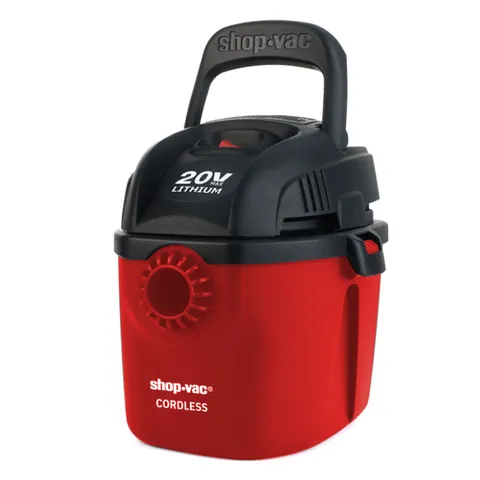
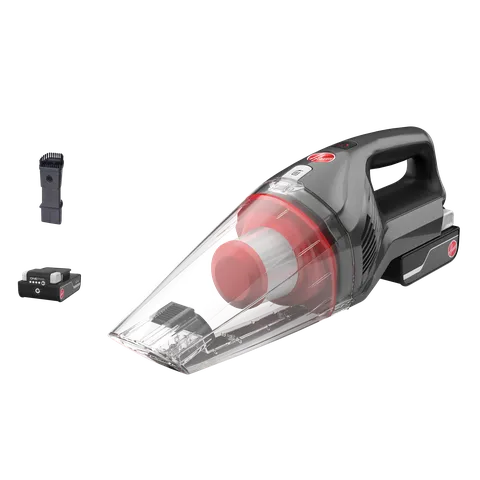
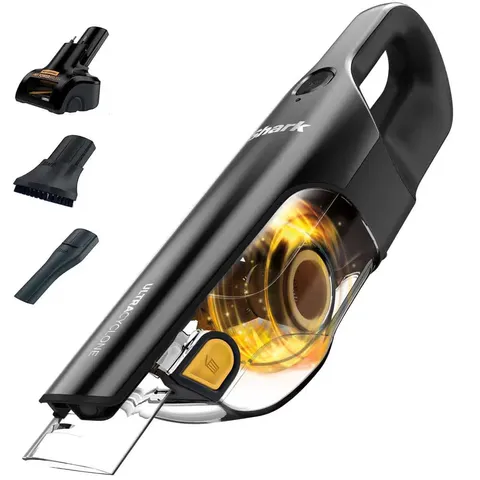
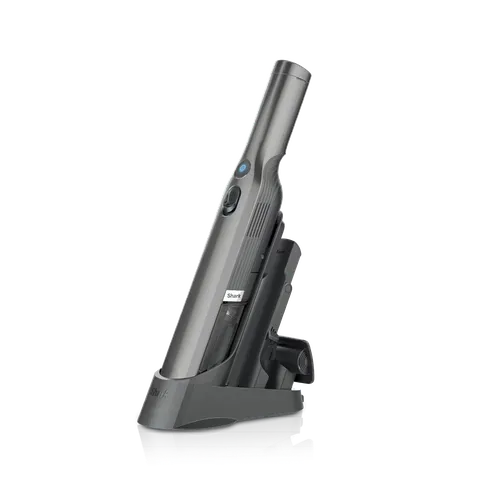
★ ratings are average shopper ratings from online retailer listings.
A vacuum under $100 will usually handle everyday dust, crumbs and light debris on hard floors and low-pile carpet. What you give up is typically battery life, attachments, build quality and convenience features. This guide explains how to pick the best vacuum under $100 for your home, with the trade-offs spelled out before you open any model page.
One limit up front: our catalog does not yet hold current price data that would let us rank models by price, so this page does not name winners. It covers the criteria that separate a sensible low-budget buy from a disappointing one.
What a vacuum under $100 can and can't do
At this budget, expect a simple machine. A corded upright, a basic stick vacuum, a handheld or a small shop vac is realistic. A robot vacuum or a premium cordless stick at this price will be rare, and where you find one, the specifications deserve extra scrutiny.
Typical compromises to expect:
- Fewer attachments. A crevice tool and dusting brush may be all you get.
- Simpler filtration. Some models use washable filters; some advertise HEPA. Read the spec sheet for what the filter actually is.
- Plainer controls. Fewer power modes, no height adjustment, or no motorized tool for stairs.
- Shorter service life. Treat this as a risk to weigh, not a certainty, and check that replacement filters and belts are available.
Under $50, the choice narrows further, mostly to handhelds, small stick vacuums and compact corded models. They suit small apartments, cars and spot cleanup better than whole-home cleaning.
Which type fits your home?
Corded upright. The usual choice if most of your floor is carpet and you want to avoid battery limits. You trade away portability, and an outlet has to be within reach of the cord.
Stick vacuum. Lightweight and quick to grab for hard floors and small areas. Cordless versions are limited by battery capacity, so check the stated runtime and whether the battery can be replaced. If you're curious about what the premium end looks like, our dyson cordless vacuum cleaner page shows how that category is built.
Handheld. Best for stairs, upholstery, and tight spots. Handhelds suit a secondary vacuum role better than a main one. For vehicles specifically, see our automotive vacuum cleaners guide.
Shop vac (wet/dry vac). The right tool for garage, workshop or spill cleanup. Check the tank capacity, hose length, and whether the model handles liquids and has a filter suited to fine dust. It is not a replacement for a household vacuum on carpet.
If you're unsure which format suits you, our overview of the kinds of vacuum cleaners walks through each one.
How to pick the best vacuum under $100
Price alone doesn't tell you much. Use this checklist when you compare model pages:
- Floor type match. A model that works for hard floors may struggle on thick carpet. Look for a brush roll (or beater bar) if you have carpet, and a way to switch it off for hard floors.
- Power source and runtime. For corded models, check cord length against your largest room. For cordless, look at the stated runtime on the lowest and highest power modes, since the headline figure is often for the lowest.
- Filter details. Distinguish between a washable filter, a HEPA-type filter and a true HEPA filter, and confirm the replacement filter is easy to find.
- Bag or bagless. Bagless saves on ongoing costs but means emptying a dust cup; bagged models are cleaner to empty but need bags to keep on hand.
- Weight and handling. If you'll carry it up stairs, weight matters more than a long feature list.
- Dust capacity and noise. Small dust cups fill quickly; the spec sheet may list the volume, and noise is often not listed at all.
- Warranty and parts. Read the manufacturer's stated warranty on the product page and check whether you can buy belts, filters and brushes separately.
Specifications describe what a model is designed to do, not how well it performs in your home, so treat them as a way to filter the list, not as a verdict.
Pet hair on a budget
Hair wraps around brush rolls and clogs small intakes, so features that ease maintenance count for more here than raw suction numbers. Look for a brush roll you can remove and clean, a wide enough airflow path, and a large dust cup or bag. Some pet owners shop a little above $100 for this reason; if that's you, our vacuums for pet owners page covers the specs that matter most. For pet accidents and ground-in dirt on carpet, a carpet steam cleaner is a separate tool from a vacuum.
When to spend more
A budget vacuum can be a reasonable choice for a small space, a second floor, a car, a garage or a first apartment. Consider stepping up if you have a large home, mostly thick carpet, allergies that make filtration a priority, or you want something expected to last for many years. Our overall pick of the top rated vacuum cleaner shows what a wider budget opens up.
If you can stretch the budget, our pages on vacuums a step up in price and higher-budget vacuum picks cover the next budget tiers.
When you're ready, open the model pages and compare specifications side by side, using the checklist above to rule models in or out.
Are vacuums under $50 worth buying?
They can be, for a narrow job. Vacuums under $50 are mostly handhelds, small stick vacuums and compact corded models, which suit small apartments, cars, stairs and spot cleanup better than cleaning a whole home. Before buying, check the stated runtime for cordless models, the cord length for corded ones, what the filter is, and whether replacement filters are sold. If you need one vacuum for a full house with carpet, a budget closer to $100 or above gives you more room to pick a model with a proper brush roll and larger dust capacity.
How can I tell if a cheap vacuum really has a HEPA filter?
Read the specification sheet rather than the product title. Terms such as HEPA-type, HEPA-style or washable filter are not the same as a true HEPA filter, so look for an explicit statement of the filter type and whether the whole machine is sealed so air passes through it. Also check that replacement filters are sold for the model and what they cost. If the page gives only a vague 'HEPA' label with no detail, treat the claim cautiously, especially if filtration matters for allergies, and compare it against models that document their filters clearly.