Vacuum Losing Suction? Causes and Fixes to Try First
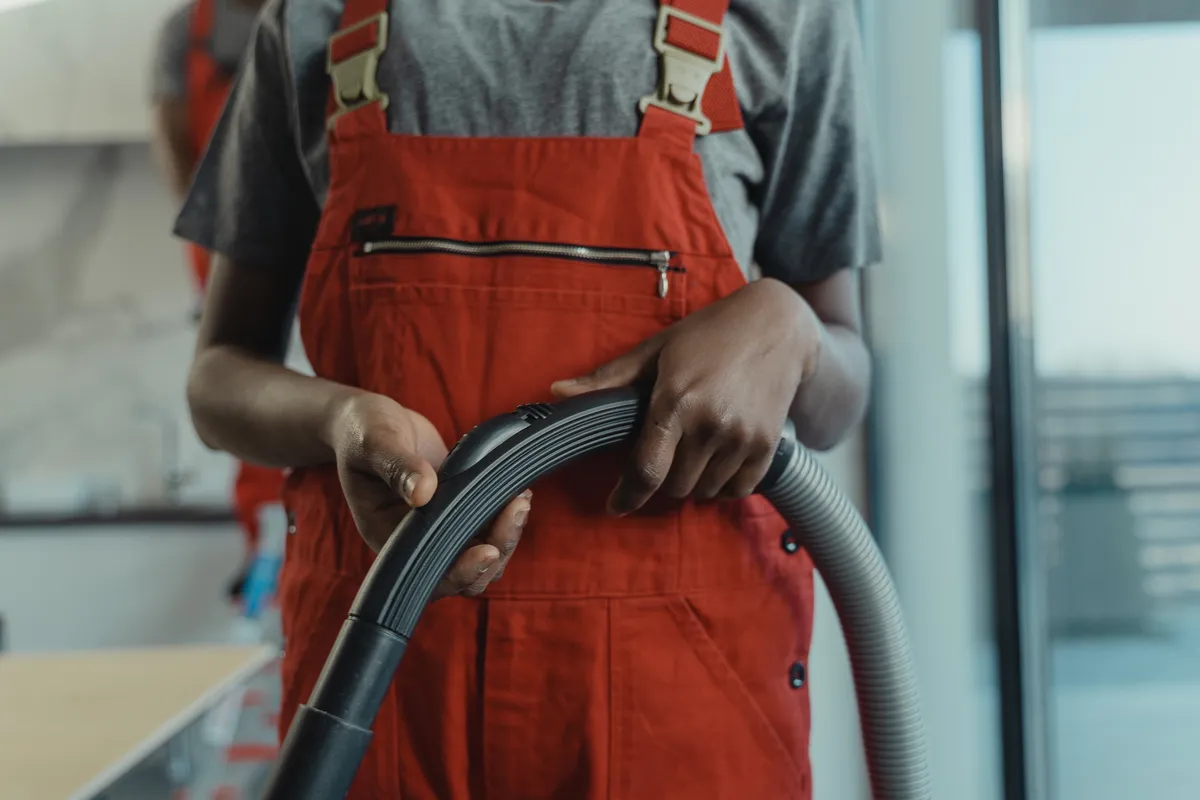
A vacuum losing suction is usually caused by a full dust container or bag, dirty filters, a clog in the hose or airway, or a damaged hose. Check them in that order before suspecting the motor.
Data last updated:
A vacuum losing suction is most often a blockage or a maintenance issue, not a dead motor. The usual culprits are a full dust container or bag, dirty filters, a clog somewhere in the airway, or a cracked hose. They are quick to check, so work through them in order before you consider repair or replacement.
Unplug the machine (or remove the battery) before you open or inspect anything.
Why is my vacuum not sucking? The usual causes
Weak suction almost always comes down to restricted airflow. Common sources of restriction:
- Full dust container or bag. Dirt blocks airflow. iFixit suggests replacing a bag when it is about half full and emptying a bin at its max fill line, because overfilling can clog the cyclones or filter.
- Dirty or clogged filters. Many vacuums have a primary, a pre-motor and a post-motor filter, and all of them can clog.
- A clog in the hose, wand, or the passage behind the brush head. Angled fittings can hide a blockage.
- A cracked or leaking hose. Even small splits let air escape.
- A suction control left open. Some models have a vent or dial that reduces suction for rugs, so confirm it is closed.
- A brush roll that is jammed or not turning, which hurts pickup on carpet even when the motor sounds fine.
How to fix a vacuum losing suction, step by step
- Empty the bin or replace the bag. Check the cyclone screen or mesh for fine dust packed onto it.
- Clean or replace the filters. Washable filters can be rinsed, but they must dry completely before going back in. iFixit puts that at about a day. Check your manual to see which filters your model uses and whether they are washable. Damaged or non-washable filters need replacing.
- Look for clogs. Detach the hose and wand and look through them. Check the short flexible hose in an upright and the area just past the brush head. For a stubborn hose clog, iFixit suggests pushing a looped wire or dowel through it several times.
- Test the hose for leaks. With the vacuum running, flex and stretch the hose. Leaks are often easier to hear than to see.
- Check the brush roll (see below).
- Check the suction control and floor-type settings.
If suction returns at any step, stop there. If nothing helps, the motor or an internal seal may be at fault, and that is a job for the manufacturer's service channel or a repair shop.
Shark and other cyclonic uprights
When a Shark vacuum cleaner loses suction or seems not to pick up, the same sequence applies: dust cup, filters, then airway clogs. Filter sets differ by model, so use the troubleshooting guide for your model number on Shark's support site. Hair wrapped on the brush roll is another frequent reason a vacuum stops picking up on carpet.
The same order works for any upright model, where the airway is longer and has more places for debris to lodge than on a handheld. If the machine has stopped running altogether, see why a vacuum won't start.
Brush roll not spinning or belt broken
A vacuum brush that is not spinning will not pick up well, even if suction at the hose is fine. Check these in order:
- Debris on the roll or in its bearings. iFixit notes that hair, string or rubber bands can stop the roll. Unplug, then cut and clear it.
- A hard-floor or similar mode. On some models this turns the brush roll off. Switch modes and test again.
- A broken or stretched belt. If the belt is broken it needs replacing, and iFixit stresses finding out why it broke. A belt that looks melted or ground away in one spot suggests the roll was jammed for a while. Old belts can also stretch and then slip off. Use the belt specified for your model.
- The motor. If everything else is ruled out and the roll still does not turn, the motor has likely failed.
Some models have a brush roll indicator light. On the Shark Rocket HV322, for example, a red light can mean overheating, so let it cool before retesting. Check your own model's guide for what its lights mean.
Shop vac losing suction or blowing dust
Shop-Vac says the most common causes of lost suction on its wet/dry vacuums are dirty filters or a clog in the hose. Its troubleshooting list also includes a loose hose connection, a full tank, and a hole in the hose.
A quick split test: take the hose off, hold your hand at the tank inlet and switch the vac on. If you feel suction there, the problem is in the hose or accessories. If not, look at the filter and tank.
- Empty the tank, or replace the collection bag if you use one.
- Check the filter for rips or tears, and clean or replace it.
- Make sure the filter is installed properly before you lock the lid back on.
Blowing dust out of the exhaust points at the filter rather than suction. Shop-Vac lists a filter that is missing, damaged, clogged, or unable to catch dust that fine as the causes. The fixes are to install it properly, replace it, or use a more efficient filter. Shop-Vac also recommends a foam sleeve for wet pickup, since it keeps debris away from the motor.
When repair stops making sense
If you have cleared the airway, cleaned the filters and checked the brush roll and the hose, a failing motor is the likely remaining cause. Whether to fix it depends on the machine's age, the cost of the part and any warranty you still hold, so check your model's warranty terms with the maker.
If you decide to replace, a stick model such as a Dyson cordless stick is one format to consider, and our vacuum cleaner guides explain how to choose by floor type and household. A wet carpet extractor is a different tool, aimed at deep cleaning rather than daily pickup, and the page for the best vacuum cleaner compares models by verified specifications.
Why is my vacuum spitting dust or debris back out?
On a wet/dry shop vac, dust coming out of the exhaust usually means the filter is not doing its job. Shop-Vac lists a filter that is not installed, damaged, clogged, or unable to catch very fine dust as the causes. Fixes are to install the filter correctly, clean or replace it, or switch to a more efficient filter. Also empty the tank, since a full tank restricts airflow. Household vacuums vary by design, so check your manual for the filter set and bin fill line, and replace torn or missing filters.
Can a clogged filter make a vacuum lose suction?
Yes. Shop-Vac names dirty filters as one of the two most common causes of suction loss, along with a hose clog. Many household vacuums have several filters, such as primary, pre-motor and post-motor, and any of them can clog. Clean or replace them as your manual directs. Washable filters must dry completely before they go back in, which iFixit puts at about a day.